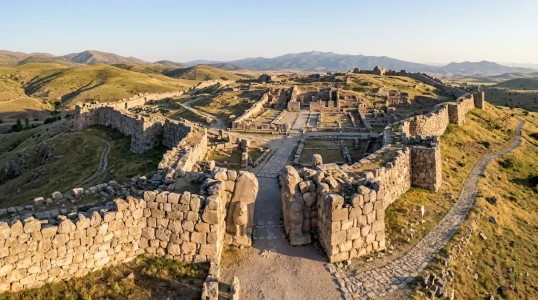

Hattusa
12 Months
Book Now & Pay Later.
Free Cancellation & Refund.
Tour details
Discover the Ancient Capital of a Powerful Civilization
Step into one of the most remarkable archaeological destinations in Turkey and explore Hattusa, the magnificent capital of the ancient Hittite Empire. Located near the modern village of Bogazkale in Corum Province, central Anatolia, this extraordinary UNESCO World Heritage Site offers a fascinating journey through thousands of years of history. Once the political, religious and cultural heart of a powerful Bronze Age civilization, Hattusa preserves monumental city gates, defensive walls, temples and royal structures that reveal the achievements of one of the ancient world's most influential empires.
Surrounded by rolling hills and the dramatic landscapes of central Anatolia, Hattusa is a destination where history and nature come together. Its extensive archaeological remains reflect the sophistication of Hittite urban planning, engineering, architecture and religious traditions. Visitors can follow ancient pathways through the ruins, admire impressive stone gateways decorated with carved figures, and imagine the ceremonies, royal processions and daily life that once took place within these monumental walls.
One of the most memorable features of Hattusa is its remarkable collection of monumental gates, including the Lion Gate, the King's Gate and the Sphinx Gate. These impressive entrances demonstrate the artistic and architectural skill of the Hittites. The Great Temple, the Upper City and the remains of the royal and religious quarters provide further insight into the spiritual and administrative importance of the ancient capital.
Hattusa is also closely connected to the history of ancient diplomacy. The Hittites were among the major powers of the ancient Near East, maintaining important political and military relations with Egypt, Mesopotamia and neighboring kingdoms. The famous peace treaty between the Hittite Empire and Egypt, associated with the Battle of Kadesh, represents one of the earliest known international peace agreements.
Beyond its archaeological significance, the surrounding region offers additional discoveries, including the open-air rock sanctuary of Yazilikaya, where impressive reliefs of Hittite deities are carved into natural rock formations. Nearby Bogazkale provides a peaceful base for exploring the ancient landscape and experiencing the traditional atmosphere of rural Anatolia.
Whether you are passionate about archaeology, ancient civilizations, history, photography or cultural exploration, Hattusa offers an unforgettable experience. Discover the legacy of the Hittite Empire with Kudos Travel and explore one of the most fascinating chapters in the history of Anatolia.
Need to Know
Hattusa Travel Essentials
Location: Bogazkale District, Corum Province, Central Anatolia, Turkey.
Known For: The ancient capital of the Hittite Empire, monumental city gates, archaeological remains, ancient temples and Yazilikaya Open-Air Sanctuary.
UNESCO Status: Hattusa was inscribed on the UNESCO World Heritage List in 1986.
Best Time to Visit: April to June and September to October, when temperatures are generally comfortable for walking around the archaeological sites.
Recommended Stay: One full day for Hattusa and Yazilikaya. Two days are recommended if combining the visit with Alacahoyuk and Corum.
Getting There: Hattusa is accessible by road from Corum and other central Anatolian cities. The nearest major airports are in Ankara and Amasya-Merzifon, with onward travel by road.
Getting Around: A private vehicle or organized guided excursion is recommended, as the archaeological sites are spread across a large area.
Nearest Settlement: Bogazkale.
Nearby Destinations: Yazilikaya, Alacahoyuk, Corum and Incesu Canyon.
Local Cuisine: Explore traditional Corum dishes, regional meat specialties, homemade pastries, soups and the famous Corum roasted chickpeas.
Accommodation: Accommodation options are available in and around Bogazkale, while Corum offers a wider selection of hotels.
Ideal For: History enthusiasts, archaeology lovers, cultural travelers, photographers, educational groups and visitors interested in ancient civilizations.
Travel Style: Archaeological exploration, cultural tourism, historical discovery and countryside excursions.
Historical Heritage: Hattusa was the political and religious capital of the Hittite Empire during the Bronze Age.
Signature Experience: Walking through the monumental Lion Gate and exploring the carved rock reliefs of Yazilikaya.
What to Bring?
Travel Tips for Hattusa
- Plan for the Seasons
- Spring and autumn are generally the most comfortable seasons for exploring Hattusa. Summer can be hot and sunny, while winter may bring cold temperatures, snow and slippery paths. Check the local weather forecast before your visit, especially if you are planning to explore the entire archaeological area.
- Allow Enough Time for Exploration
- Hattusa covers a large archaeological area with several important monuments spread across different sections. Allow enough time to explore the main gates, temples, defensive walls and ancient pathways without rushing. A full day is recommended when visiting both Hattusa and Yazilikaya.
- Visit Yazilikaya Sanctuary
- Do not miss Yazilikaya, located a short drive from the ancient city. Its remarkable rock reliefs offer a different perspective on Hittite culture and religion. Visiting with a knowledgeable guide can help you understand the figures, inscriptions and religious symbolism carved into the rocks.
- Consider a Guided Archaeological Tour
- A professional guide can bring the ruins to life by explaining the history of the Hittite Empire, the function of the monumental gates and the importance of the ancient temples. Guided exploration is especially valuable for visitors interested in archaeology and ancient civilizations.
- Wear Comfortable Walking Shoes
- The archaeological site includes uneven ground, stone paths, slopes and exposed outdoor areas. Comfortable walking shoes with good grip are essential. Avoid unsuitable footwear, particularly when exploring the tunnel and elevated sections of the ancient fortifications.
- Prepare for Sun and Changing Weather
- Much of Hattusa is exposed to the elements, with limited natural shade. Bring sunglasses, a sun hat, sunscreen and enough drinking water during warmer months. In cooler seasons, carry a jacket and dress in layers.
- Explore Beyond Hattusa
- If your schedule allows, combine your visit with Alacahoyuk, another important archaeological destination in Corum Province. The combination provides a broader understanding of the ancient civilizations that developed across central Anatolia.
- Discover Local Flavors
- Take time to enjoy the traditional cuisine of Corum and its surrounding villages. Local restaurants offer regional dishes, homemade specialties and traditional Anatolian flavors. Corum roasted chickpeas are also a well-known regional product and a popular souvenir.
- Choose Your Accommodation Carefully
- Bogazkale is a convenient base for visitors who want to explore Hattusa and Yazilikaya early in the day. Travelers seeking more hotel choices, restaurants and urban facilities may prefer staying in Corum city.
- Respect the Archaeological Heritage
- Hattusa is an internationally important historical site. Follow designated visitor paths, avoid touching or climbing on ancient structures, and never remove stones or archaeological objects. Responsible tourism helps preserve this exceptional heritage for future generations.
- Discover Hattusa Your Way
- Whether you are planning a dedicated archaeological journey or adding central Anatolia to a wider Turkey itinerary, Hattusa offers an unforgettable connection to the ancient world. Explore its monumental gates, discover the sacred reliefs of Yazilikaya and uncover the remarkable legacy of the Hittite Empire with Kudos Travel.
Tour Program
Places to Explore in Hattusa
Hattusa Ancient City
The ancient city of Hattusa is the main attraction of the region and one of the most important archaeological sites in Turkey. Once the capital of the Hittite Empire, the extensive ruins reveal the remains of monumental defensive walls, temples, royal buildings, ceremonial spaces and residential districts. Exploring the archaeological area provides a fascinating understanding of how this powerful Bronze Age capital was planned and developed.
Lion Gate
The Lion Gate is one of the most recognizable monuments of Hattusa. Built as part of the city's monumental fortifications, the entrance is decorated with impressive stone lion sculptures that symbolize strength and protection. Its detailed craftsmanship and imposing structure make it one of the essential stops for visitors exploring the ancient capital.
King's Gate
Located within the ancient city's defensive system, the King's Gate is another remarkable example of Hittite monumental architecture. Its carved stone relief, traditionally associated with a royal or divine figure, reflects the artistic traditions and symbolic importance of the city's entrances.
Sphinx Gate
The Sphinx Gate stands along the impressive fortifications of the Upper City and is distinguished by its monumental stone sculptures of sphinxes. The gateway forms part of a remarkable defensive and ceremonial structure and offers visitors a glimpse into the artistic and architectural sophistication of the Hittite civilization.
Great Temple
The Great Temple was one of the most important religious complexes in Hattusa. Its extensive foundations, courtyards, storage rooms and surrounding structures reveal the scale of religious and administrative activity in the ancient capital. The complex provides valuable insight into Hittite religious practices and the organization of sacred spaces.
Upper City
The Upper City contains numerous temple remains and ceremonial structures, reflecting the religious importance of this part of Hattusa. Walking through the area reveals the scale of the ancient settlement and its carefully organized urban layout, with archaeological remains spread across the surrounding hills.
Lower City
The Lower City includes some of the earliest and most important archaeological remains of Hattusa. It is particularly associated with the Great Temple and the central religious district. Exploring this section helps visitors understand the development of the ancient settlement and its role as the administrative center of the Hittite kingdom.
Yerkapi Tunnel
Yerkapi is one of the most extraordinary architectural features of Hattusa. This massive artificial embankment formed part of the city's impressive fortification system and includes a long stone tunnel passing beneath the structure. Visitors can walk through the tunnel and admire the scale of Hittite engineering while enjoying panoramic views of the surrounding landscape.
Potern Tunnels and City Walls
Hattusa's defensive system includes impressive stone walls, fortified passages and underground tunnels known as poterns. These structures demonstrate the military planning and construction techniques used to protect the ancient capital. The surviving sections offer an excellent opportunity to appreciate the engineering achievements of the Hittites.
Nisantasi Inscription
Nisantasi is an important archaeological feature associated with Hittite inscriptions carved into natural rock. The remains provide evidence of the writing traditions and historical records of the ancient civilization, offering another connection to the political and cultural life of Hattusa.
Great Citadel and Royal Quarter
The elevated areas of Hattusa contain remains associated with the city's administrative and royal functions. Although much of the original architecture has disappeared, the foundations and archaeological traces reveal the importance of the citadel within the ancient capital.
Yazilikaya Open-Air Sanctuary
Located a short distance from Hattusa, Yazilikaya is one of the most extraordinary Hittite religious sites in Anatolia. This open-air sanctuary features impressive reliefs carved directly into natural rock formations, depicting gods, goddesses and mythological figures from the Hittite pantheon. The sanctuary is particularly famous for its procession of deities and its connection to ancient religious ceremonies.
Yazilikaya Chamber A
The main chamber of Yazilikaya contains a remarkable series of carved figures representing Hittite gods and goddesses. The detailed reliefs form one of the most important surviving collections of Hittite religious art and provide valuable information about the mythology and beliefs of the ancient civilization.
Yazilikaya Chamber B
The smaller chamber contains additional reliefs with important religious and symbolic meanings. Its carvings include figures associated with the underworld and royal religious traditions. The chamber offers a quieter but equally fascinating perspective on Hittite spiritual practices.
Bogazkale Village
Bogazkale is the small settlement closest to the ancient city of Hattusa. It provides convenient access to the archaeological site and Yazilikaya Sanctuary. Visitors can enjoy the peaceful rural atmosphere, traditional Anatolian hospitality and surrounding landscapes while using the village as a base for cultural exploration.
Bogazkale Museum
The local museum provides an introduction to the archaeological heritage of Hattusa and the surrounding region. Its exhibits help visitors understand the historical importance of the Hittite Empire and the discoveries made during excavations in the area. Museum collections and opening arrangements should be checked before visiting.
Alacahoyuk Archaeological Site
Located in Corum Province, Alacahoyuk is an important archaeological destination associated with several ancient civilizations, including the Hittites and earlier Bronze Age communities. The site is especially known for its monumental Sphinx Gate, royal tombs and archaeological discoveries that reveal the region's long history.
Alacahoyuk Museum
The museum near the archaeological site presents finds from Alacahoyuk and the surrounding region. Exhibits include archaeological objects that help explain the development of early Anatolian civilizations, burial traditions, craftsmanship and the cultural importance of the settlement.
Corum Museum
Located in Corum city, this museum is an excellent addition to a wider archaeological journey through the region. Its collections include artifacts from different historical periods, with important finds connected to the Hittite civilization and the ancient settlements of central Anatolia.
Incesu Canyon
For travelers interested in nature, Incesu Canyon offers a scenic landscape of rock formations, steep valley walls and natural surroundings in Corum Province. It can be included in a wider regional excursion for visitors who wish to combine archaeological exploration with outdoor scenery.