
Afyonkarahisar
Discover Afyonkarahisar – Thermal Springs, Ancient Heritage & Authentic Anatolian Culture
Explore a destination where healing waters, centuries-old traditions and impressive landscapes come together in the heart of western Turkey.
Located in western Anatolia, Afyonkarahisar is a destination rich in history, natural beauty and cultural traditions. Known for its thermal springs, historic monuments and distinctive cuisine, the city offers a rewarding experience for travelers seeking something beyond Turkey's familiar coastal destinations.
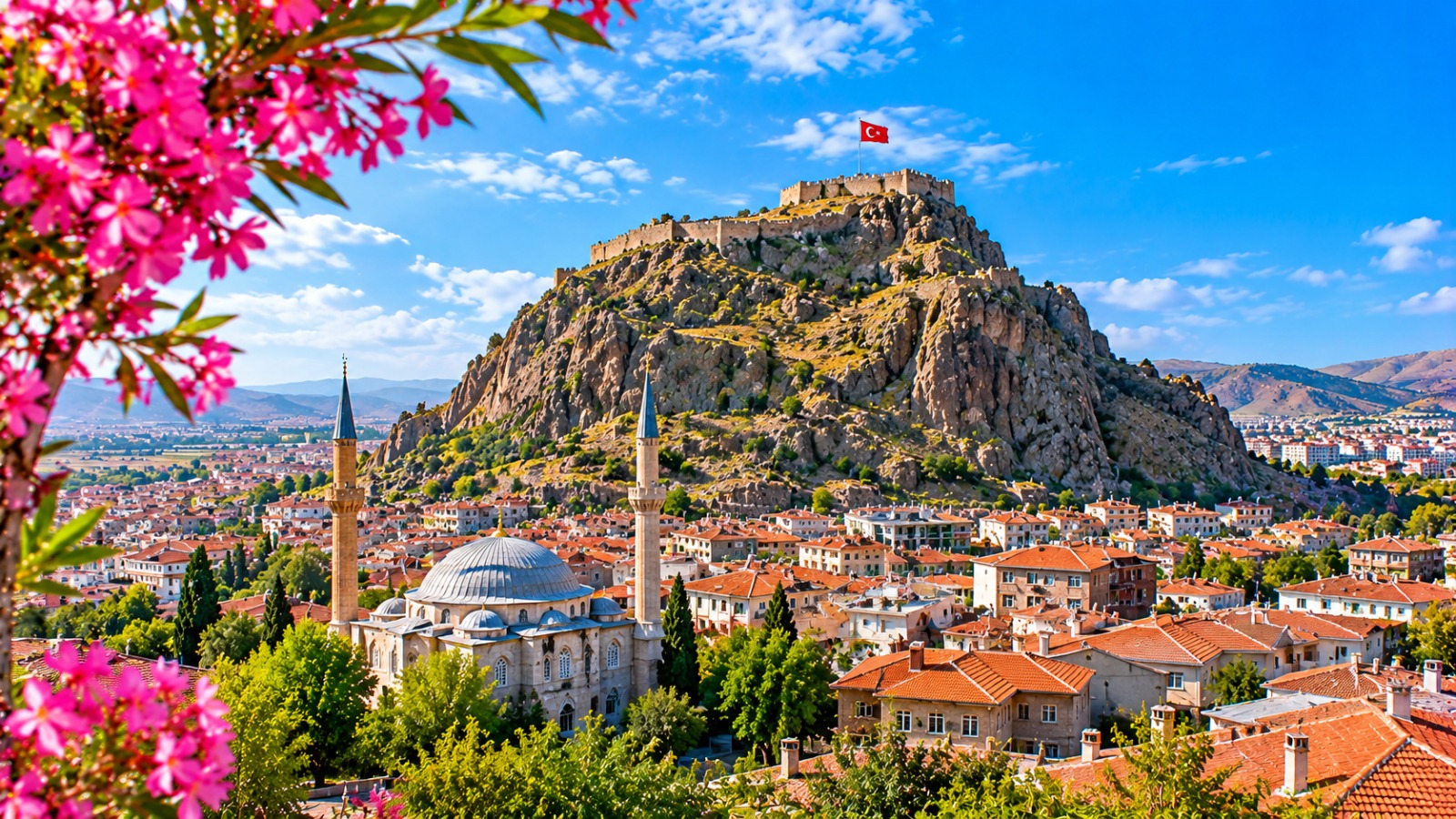
Dominated by the striking volcanic rock formation crowned by Afyon Castle, the city has a distinctive skyline and a fascinating historic center. Its strategic position has connected different civilizations and trade routes throughout history, leaving behind traces of Phrygian, Roman, Byzantine, Seljuk and Ottoman heritage.
Afyonkarahisar is especially famous for its thermal tourism. Natural hot springs, wellness hotels and spa facilities make the region a popular choice for relaxation and rejuvenation throughout the year. Destinations such as Gazligol, Omer and Heybeli offer opportunities to enjoy the area's mineral-rich thermal waters in peaceful surroundings.
The region also has a remarkable cultural identity. Traditional Turkish craftsmanship, historic mosques, old houses and local markets reflect the character of Anatolian life. Visitors can discover the city's heritage while exploring its museums, tasting regional specialties and enjoying the welcoming atmosphere of its streets.
Food is another important reason to visit Afyonkarahisar. The city is celebrated for its sucuk, kaymak, traditional sweets and rich local dishes. Afyon kaymagi, in particular, is one of the region's most famous delicacies, while Afyon sucuk is widely recognized throughout Turkey.
Beyond the city center, the surrounding countryside reveals ancient settlements, impressive rock formations and scenic natural areas. From the archaeological landscapes of the Phrygian Valley to the dramatic scenery around Emre Lake, the region offers excellent opportunities for cultural excursions, photography and outdoor exploration.
Whether you are interested in history, thermal wellness, gastronomy or authentic local experiences, Afyonkarahisar offers a distinctive journey into the heart of Anatolia. Discover its heritage, enjoy its famous hospitality and experience the region with Kudos Travel.
Places to Explore in Afyonkarahisar
Afyon Castle (Karahisar Castle)
Rising dramatically above the city on a steep volcanic rock formation, Afyon Castle is the most recognizable landmark of Afyonkarahisar. Its history reaches back to the Hittite period, and the site later played an important role during the Seljuk and Ottoman eras. Visitors who make the climb are rewarded with panoramic views across the city and surrounding countryside. The castle is an essential stop for understanding the city's history and landscape.
Afyonkarahisar Archaeology Museum
This museum offers an excellent introduction to the civilizations that shaped the region. Its collections include archaeological finds from the Chalcolithic, Bronze Age, Hittite, Phrygian, Lydian, Roman, Byzantine, Seljuk and Ottoman periods. Sculptures, ceramics, coins, stone works and everyday objects help visitors follow the area's long history.
Sultan Divani Mevlevihanesi Museum
One of the important spiritual and cultural landmarks of the city, Sultan Divani Mevlevihanesi is associated with the Mevlevi Sufi tradition. The historic complex introduces visitors to the teachings, ceremonies and way of life connected with the Mevlevi order. Its atmosphere offers a quieter perspective on Afyonkarahisar's religious and cultural heritage.
Afyon Grand Mosque (Ulu Camii)
Afyon Grand Mosque is a remarkable example of traditional wooden-column mosque architecture. Dating from the Seljuk period, its interior is distinguished by rows of wooden pillars and a beautifully crafted wooden ceiling. The mosque is an important historic monument and a rewarding stop for visitors interested in Anatolian Islamic architecture.
Historic Afyonkarahisar Mansions
Around the foothills of Afyon Castle and in the older neighborhoods, restored traditional mansions reveal the city's historic residential character. Their stone and timber details, courtyards and traditional layouts offer a glimpse into the lifestyle of earlier generations. Some restored buildings now welcome visitors as museums, cafes, restaurants or boutique accommodation.
Long Bazaar and Bedesten Bazaar
The traditional bazaars are ideal places to experience the everyday atmosphere of Afyonkarahisar. Visitors can browse local products, regional food specialties, traditional crafts and souvenirs while exploring the historic commercial streets. They are also excellent places to discover the city's famous sucuk, kaymak and confectionery.
Victory Museum (Zafer Muzesi)
Located in the city center, the Victory Museum is closely connected with the Turkish War of Independence. The historic building served as a headquarters during the Great Offensive of 1922, when important military decisions were made. A visit provides insight into the events that shaped modern Turkey and Afyonkarahisar's place in national history.
Phrygian Valley (Frig Vadisi)
The Phrygian Valley is one of the region's most fascinating cultural landscapes, extending across parts of Afyonkarahisar and neighboring provinces. Its unusual rock formations, ancient monuments, rock-cut tombs, temples and settlements reflect the civilization of the Phrygians. The area is ideal for scenic drives, hiking, photography and discovering lesser-known archaeological treasures.
Ayazini Village and Rock Settlements
Ayazini is one of the highlights of the Phrygian Valley. Its landscape is filled with rock-cut dwellings, family tombs, churches and other structures carved into volcanic stone. Roman and Byzantine remains can be found throughout the area, creating a fascinating open-air heritage experience. Visitors can explore the village on foot and admire the unusual architecture shaped by the natural rock formations.
Aslantas and Yilantas Rock Tombs
These impressive rock-cut monuments are among the best-known remains of the Phrygian civilization in the region. Their carved lion and other decorative details reflect the artistic traditions and religious beliefs of ancient communities. Located within the wider Phrygian Valley landscape, they are especially interesting for history enthusiasts and photography lovers.
Maltas Open-Air Temple
Maltas is a significant Phrygian rock monument associated with the worship of the Mother Goddess Kybele. Carved into a large rock surface, the monument reflects the distinctive religious architecture of ancient Phrygia. It is one of the important stops for travelers exploring the archaeological heritage of the Phrygian Valley.
Emre Lake (Emre Golu)
Set among the distinctive rock formations of the Phrygian Valley, Emre Lake offers a peaceful natural setting and beautiful scenery. The lake is a popular stop for photography and outdoor excursions, and its surroundings provide a striking contrast between water, open countryside and ancient rock formations. It is particularly atmospheric in the early morning and late afternoon.
Avdalaz Castle
Avdalaz Castle is a remarkable rock-carved settlement near Ayazini. Built into a large natural rock formation, it includes carved spaces and a cistern, demonstrating how local communities adapted the landscape for settlement and protection. Its unusual appearance makes it one of the memorable sights of the Phrygian Valley.
Gazligol Thermal Springs
Gazligol is one of Afyonkarahisar's well-known thermal areas, attracting visitors who want to combine a cultural trip with relaxation. The area features thermal hotels and spa facilities where guests can enjoy naturally heated mineral waters. It is a good option for travelers looking for a restful stay outside the city center.
Omer Thermal Springs
Located near Afyonkarahisar, Omer is another established thermal destination. Its mineral-rich waters and wellness facilities make it popular with visitors seeking a peaceful break. The area is especially suitable for a thermal holiday or a relaxing extension to a wider exploration of the region.
Heybeli Thermal Springs
Heybeli is a thermal area known for its hot springs and wellness facilities. Visitors can enjoy a slower pace, thermal bathing and accommodation designed around relaxation. It offers another way to experience Afyonkarahisar's reputation as one of Turkey's leading thermal tourism destinations.
Sandikli and Hudai Thermal Springs
The district of Sandikli, southwest of Afyonkarahisar city, is known for its thermal facilities and traditional mud baths. Hudai Thermal Springs is a popular destination for visitors interested in thermal bathing and wellness experiences. Sandikli can be visited as a separate excursion or included in a longer regional itinerary.
Akdag Nature Park
Akdag Nature Park offers a refreshing contrast to the region's historic sites and thermal resorts. Its forests, meadows, water sources and wildlife create an attractive setting for nature lovers. Visitors can enjoy walking, trekking, cycling, horseback riding and camping in selected areas. It is an excellent choice for travelers who want to explore the natural side of Afyonkarahisar.
Tokali Canyon
Tokali Canyon is a striking natural attraction in the wider Sandikli area. Its dramatic rock walls and rugged scenery make it appealing to outdoor enthusiasts and photographers. The canyon is best explored as part of a planned nature excursion, with suitable footwear and attention to local access and weather conditions.
Kocatepe Monument
Kocatepe is one of the most significant historical sites associated with the Turkish War of Independence. It was from this area that Mustafa Kemal Ataturk directed the Great Offensive, which began on 26 August 1922. The monument and surrounding landscape offer visitors an opportunity to reflect on a defining moment in modern Turkish history.
Suhut Ataturk House
Located in the district of Suhut, this historic house is associated with Ataturk and the preparations for the Great Offensive. It forms part of the region's important War of Independence heritage and can be included in a historical excursion from Afyonkarahisar city.
Ishakli Caravanserai
Ishakli Caravanserai is a historic Seljuk-era building that reflects the importance of Anatolia's old trade and travel routes. Caravanserais provided shelter for merchants, travelers and their animals, and this monument offers a glimpse into the commercial networks that once connected the region with other parts of Anatolia.
Doger Caravanserai
Located in the wider Phrygian Valley area, the historic Doger Caravanserai is another reminder of the region's role in medieval trade and travel. Its traditional stone architecture makes it an interesting stop for visitors exploring the cultural landscape around the Phrygian monuments.
Bolvadin and Kirkgöz Bridge
Bolvadin is a historic district east of Afyonkarahisar, with cultural landmarks and traditional local character. One of its notable sights is Kirkgöz Bridge, a historic structure connected with the area's old transport routes. The district can be included in a wider journey through the countryside and heritage sites of the province.
Yumurta Museum and Arts Center
Afyonkarahisar has a distinctive tradition of local arts and craftsmanship, and the egg arts center offers a more unusual cultural experience. Visitors can discover decorative work and artistic techniques that transform eggshells into detailed handmade pieces. It adds a different dimension to the city's museum and cultural scene.
Afyonkarahisar Travel Essentials
Location: Western Anatolia, in the Inner Aegean region of Turkey.
Known For: Thermal springs, Phrygian heritage, Afyon Castle, traditional Turkish cuisine, sucuk, kaymak and local confectionery.
Best Time to Visit: Spring (April to June) and autumn (September to October) are ideal for sightseeing and exploring the Phrygian Valley. Thermal resorts welcome visitors throughout the year. Summer is suitable for outdoor excursions, while winter offers a quieter atmosphere and a relaxing thermal holiday.
Recommended Stay: 2–3 days for the city, major historical attractions and a thermal experience. Allow additional time if you plan to explore the wider Phrygian Valley and surrounding districts.
Getting There: Afyonkarahisar is an important road and rail junction in western Anatolia, making it accessible from several major Turkish cities. Intercity buses and trains are practical options. Travelers arriving by air can consider nearby regional airports and continue by road, depending on their route.
Getting Around: The city center can be explored by walking and local transport. A rental car or private vehicle is recommended for visiting the Phrygian Valley, thermal areas, nature parks and historical sites outside the center.
Popular Areas: Afyonkarahisar city center for historic attractions and local markets; Gazligol, Omer and Heybeli for thermal hotels; Sandikli for thermal wellness and mud baths; and the Ayazini area for Phrygian heritage and rural scenery.
Local Cuisine: Afyonkarahisar is famous for Afyon sucuk, Afyon kaymagi, Turkish delight and traditional confectionery. Other local specialties include keskek, agzi acik pastries, bukme, poppy-seed pastries and regional meat dishes. The city's culinary heritage is a major part of its identity.
Accommodation: The city offers modern hotels, traditional accommodation and thermal resorts. Thermal hotels are particularly popular for wellness stays, while city-center hotels provide convenient access to museums, bazaars and historic landmarks.
Ideal For: History enthusiasts, wellness travelers, couples, families, food lovers, photographers and travelers interested in authentic Anatolian culture.
Travel Style: Cultural discovery, thermal wellness, gastronomy, nature excursions and heritage exploration.
Historical Heritage: Hittite, Phrygian, Lydian, Roman, Byzantine, Seljuk and Ottoman influences, together with important sites connected to the Turkish War of Independence.
Signature Experience: Enjoying a thermal spa stay, tasting traditional Afyon kaymagi and sucuk, and exploring the extraordinary rock-cut monuments of the Phrygian Valley.
Travel Tips for Afyonkarahisar
- Plan Your Visit Around Your Interests
- Afyonkarahisar offers several different travel experiences. If you are interested in history, focus on Afyon Castle, the museums and the Phrygian Valley. If relaxation is your priority, consider staying at a thermal resort in Gazligol, Omer, Heybeli or Sandikli. Food lovers should leave time to explore the traditional markets and taste the region's specialties.
- Allow Time for the Phrygian Valley
- The Phrygian Valley covers a wide area, and its archaeological attractions are spread across different districts. Ayazini, Emre Lake, Avdalaz Castle and the rock-cut monuments are best explored with a planned route. A private vehicle or organized excursion can make the journey more comfortable.
- Choose the Right Season
- Spring and autumn are particularly pleasant for walking, sightseeing and outdoor excursions. Summer is suitable for exploring the countryside, although daytime temperatures can be high. Winter is a good time to enjoy thermal hotels, but cold weather and possible snow may affect travel to outdoor attractions.
- Experience the Thermal Culture
- Thermal tourism is one of Afyonkarahisar's defining experiences. If you plan to stay at a thermal hotel, check which facilities are included in the room rate, whether spa treatments require advance reservations and whether swimming pools have separate hours or access arrangements.
- Taste the Local Specialties
- Do not leave without trying Afyon kaymagi and Afyon sucuk. Traditional confectionery and Turkish delight also make popular gifts. Visit local shops and markets to discover regional products, and ask about the best places to enjoy freshly prepared local dishes.
- Explore the Historic City Center on Foot
- The area around Afyon Castle, the Grand Mosque, Sultan Divani Mevlevihanesi and the traditional bazaars is ideal for a walking tour. Wear comfortable shoes, especially if you plan to climb towards the castle or explore the older streets.
- Visit Museums with a Little Planning
- Museum opening days and hours can vary. Check current visitor information before setting out, particularly if the Archaeology Museum is an important part of your itinerary.
- Combine History with Nature
- Afyonkarahisar is not only a destination for museums and thermal hotels. Akdag Nature Park and Tokali Canyon offer a different perspective on the region. If you enjoy outdoor activities, consider adding a nature excursion to your cultural itinerary and check local conditions before visiting.
- Choose Accommodation According to Your Plans
- If you want to explore the city's landmarks and restaurants, staying near the center is convenient. For a relaxing wellness holiday, choose a thermal hotel in one of the surrounding spa areas. Travelers planning to explore several districts may prefer accommodation with easy road access.
- Respect Archaeological and Natural Sites
- The Phrygian Valley contains valuable archaeological remains and fragile natural formations. Follow marked paths, avoid climbing on protected monuments and do not remove stones or archaeological objects. Help preserve these unique landscapes for future visitors.
- Discover Afyonkarahisar Your Way
- Afyonkarahisar is a destination that brings together the healing traditions of thermal waters, the remarkable legacy of ancient civilizations and the flavors of authentic Anatolian cuisine. Whether you are planning a relaxing spa holiday, a cultural journey or an exploration of the Phrygian Valley, the region offers experiences that can make every visit memorable.
- Discover the history, landscapes and culinary traditions of Afyonkarahisar with Kudos Travel, and experience another fascinating side of Turkey.